Understanding Poverty
Connecting faith and social justice:
Matthew 25:35-40 – “For I was hungry and you gave me food, I was thirsty and you gave me drink, I was a stranger and you welcomed me, I was naked and you clothed me, I was sick and you visited me, I was in prison and you came to me”.
Poverty is a multi-dimensional issue affecting individuals and communities worldwide. As Pope John Paul II observed, poverty manifests in various forms, from material deprivation to social exclusion. It undermines human dignity and creates systemic inequalities. This page covers the following areas:
- Background on Poverty
- Expert vs. Public Perception of Poverty
- Deprivation: A Broader Perspective
- Local Context: Bracknell
- Why Poverty Persists Despite Employment
- Children in Poverty
- A Healthy Diet v. Not
- Taking Actions
- Pope John Paul II says….
Scroll down to explore each topic
Dimensions of Poverty
- Material Deprivation: Lack of basic necessities such as food, shelter, and primary healthcare.
- Social Isolation: Marginalization of the weakest members of society and exclusion from participation in the community.
- Economic Disparities: Inequality in wages, unemployment, and insufficient income to meet living costs.
- Displacement and Conflict: Challenges faced by refugees and war-affected individuals.
- Family Breakdown: Consequences such as violence, drug use, and lack of social support.
Background on Poverty
What experts think about UK poverty
Experts on UK poverty, including those with experience of poverty, agree the following key points need to be more widely communicated:
- Poverty should be understood in terms of: a lack of resources to meet material needs and take part in society; the specific social and historical context in which an individual is living; and the effects of income and costs of living.
- While poverty can affect anyone, certain groups are more at risk than others.
- The causes and consequences of poverty are interconnected and vary geographically. In general, they include: low wages and insecure work; high cost of living; unemployment; low educational attainment; the way the benefits system works; discrimination and stigmatisation; social isolation and exclusion; stress and illness; family breakdown; and economic stagnation and low economic productivity.
- Poverty is complex, but can be addressed through state, market and individual-level solutions.
- Social and economic support should be broad, sufficient and responsive to individuals’ needs over the life course, with a combination of universal and targeted support. Action should be taken to prevent poverty, have an impact now and in the future, and include a focus on place.
- Solutions must be driven by input from people living in poverty.
Expert vs. Public Perception of Poverty
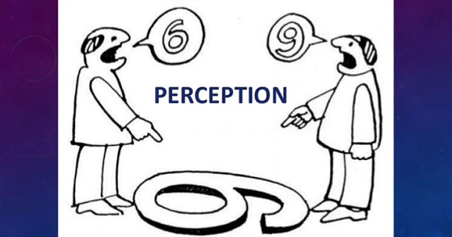
The Joseph Rowntree Foundation highlights a gap between expert understanding and public perceptions of poverty:
Expert Perspective:
- Defines poverty as the lack of resources needed to participate fully in society.
- Attributes causes to systemic failures such as low wages, unemployment, and high living costs.
- Stresses the interconnectedness of poverty with social isolation, health issues, and low educational attainment.
Public Perspective:
- Focuses on basic needs (food, shelter, clothing) and often associates “real poverty” with developing countries.
- Attributes poverty to individual or group flaws rather than systemic issues.
- Concerns about welfare abuse dominate public discussions on social benefits.
Bridging the Gap: Education and communication strategies can align these perspectives by emphasizing systemic solutions and the societal impact of poverty
Deprivation: A Broader Perspective
The UK Indices of Deprivation define deprivation as more than income poverty. It includes:
- Income and Employment Deprivation: Low pay, unemployment.
- Education and Skills: Lack of access to adequate training and qualifications.
- Health: Poor health, disability, and insufficient healthcare access.
- Crime: Unsafe living conditions.
- Housing and Services: Shortage of affordable housing and essential services.
- Living Environment: Poor housing quality and overcrowded conditions.

Local Context: Bracknell
While Bracknell is among the least deprived areas in England, challenges persist, such as low-paying jobs that do not cover living costs. Despite working parents, children in these families may still live in poverty due to insufficient wages and high living expenses.
Why Poverty Persists Despite Employment
- Low-Paying Jobs: Jobs in some sectors, particularly in areas like Bracknell, do not provide a living wage.
- High Cost of Living: Housing, childcare, and other necessities consume a large portion of income.
- Job Insecurity: Irregular work hours and lack of benefits exacerbate financial instability.
From Bracknell Forest Public Health
Children in poverty
Introduction
It is estimated that around 3.5 million – over a quarter of all children – currently live below the poverty line in the UK. Children growing up in low-income households are more likely to die at birth or in infancy, are more likely to under-achieve at school and are almost twice as likely to live in bad housing. This experience during childhood damages children’s well-being, development and future life chances.
Part of an article in the Times Wednesday 29th January 2025
Written by Andrew Elison and Poppy Koronka.
Healthy diet is twice the price of junk food for every calorie.
Eating healthily has never been more expensive according to research that highlights the “tragic imbalance” between food that is affordable and food that is not good for us.
The study found that healthier food – based on nutrients – is more than twice as expensive per calorie as junk food. Healthier options have increased in price at twice the rate of less healthy options in the past two years.
The study published by the Food Foundation, said the growing cost of eating well was exacerbating health inequality. The most deprived fifth of the population would need to spend 45 percent of disposable income on food to meet the government-recommended healthy diet, rising to 70 per cent for households with children.
Taking Actions: supporting our community through faith and action
This section offers practical ideas and simple actions that anyone can take to respond to poverty with compassion. These are not specific plans of our Hardship Group, but suggestions to inspire individuals to make a positive difference in their own way.
As Pope John Paul II emphasized, poverty is a tragedy that cannot be ignored. By fostering understanding, addressing systemic inequalities, and offering support to those in need, the parish can play a pivotal role in combating poverty and upholding human dignity.